Fixing a Blown Fuse, Fast
A blown fuse is the switchboard doing exactly what it's designed to do: cutting power before a fault turns into something worse. The question is why it blew, not just that it did.
A one-off blow with an obvious cause is usually nothing to worry about. A fuse that keeps blowing is telling you something is still wrong.
Call (02) 9054 3079 if yours won't stay reset.
What Is Going On Behind the Wall
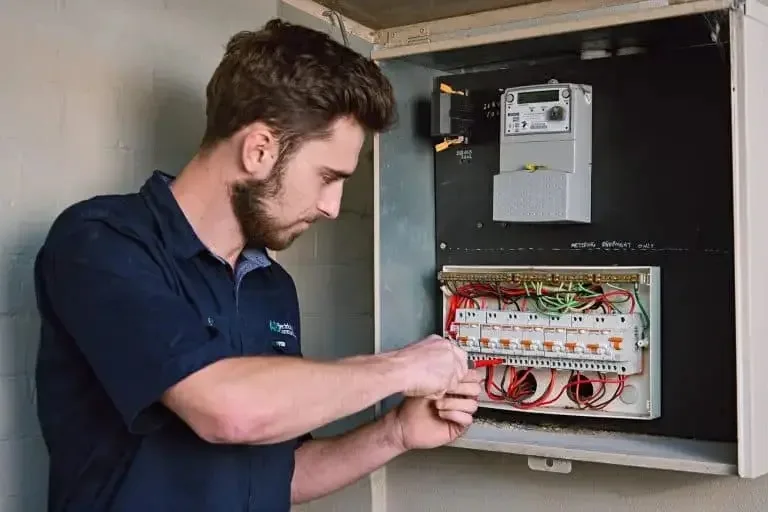
A fuse holds a thin wire sized to melt at a set current. When a circuit draws more than that, the wire melts and cuts power before the wiring itself overheats.
That's the fuse doing its job, not failing. It's a sacrificial part, built to fail so nothing more expensive does.
The real question is what pushed the current past the fuse's rating. Sometimes it's obvious, an overloaded double adaptor.
Other times the wiring itself has developed a fault, and that needs tracing properly rather than guessed at.
Should You Worry? An Honest Answer
Short version: usually not, but pay attention to the pattern. A fuse blowing once, with an obvious trigger like a faulty appliance, is the system working correctly.
A fuse that blows repeatedly, especially with nothing unusual plugged in, means the underlying fault hasn't been found yet.
Get on the phone quickly if a blown fuse comes with any burning smell, visible scorching on the fuse holder, or heat near the switchboard.
The honest answer is that a fuse blowing is a symptom, not the problem itself. Treating the symptom without finding the cause just means it happens again.
What Usually Causes It
- A faulty or overloaded appliance. Draws more current than the circuit is rated for, tripping the fuse.
- Too many things on one circuit. Older homes tend to run fewer circuits than today's power demand really needs.
- A short circuit. Live and neutral wires touching directly, causing an immediate, high-current blow.
- Ageing or damaged wiring. Insulation breaking down over decades exposes wiring to faults.
- The wrong fuse rating fitted previously. A fuse rated too low for its circuit blows under normal loads.
- Moisture getting into a circuit. More likely outdoors, or in older homes with less-sealed wiring.
Most of these are easy to fix once found. The hard part is telling them apart without instruments, which is why a proper test beats a guess every time.
What To Do Before We Arrive
- Unplug what was running when it blew, if you know which appliance was on that circuit.
- Don't replace the fuse yourself if you're not confident identifying the correct rating.
- Isolate the affected circuit at the board rather than leaving it live with an unreliable fuse.
- Call (02) 9054 3079 and tell us if it's blown once or repeatedly, since that changes the priority.
How We Fix and Certify the Repair
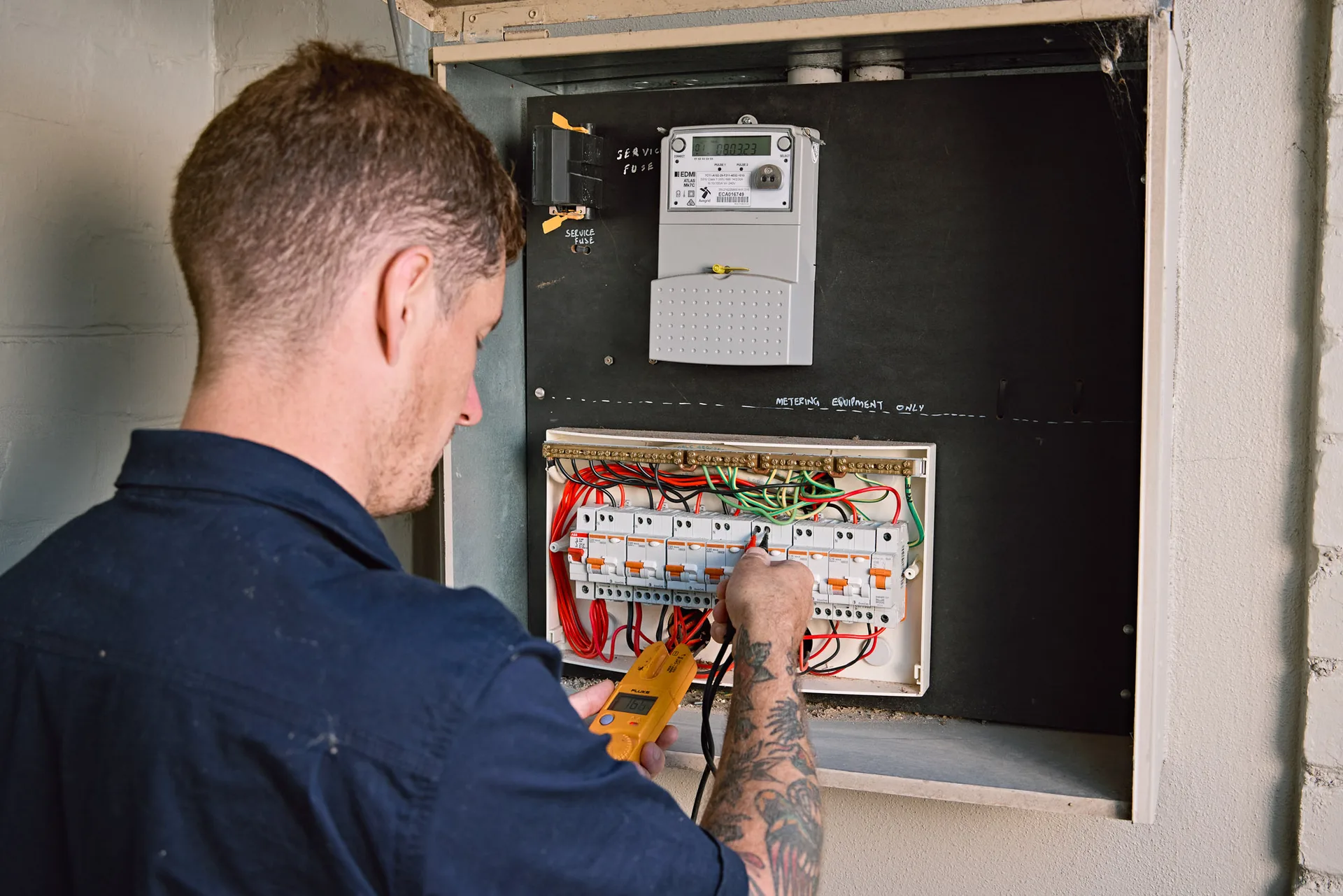
First we work out which circuit the blown fuse feeds, then load-test it to find the genuine fault rather than swapping the fuse and hoping.
Where the cause is a specific fault, a loose connection, damaged insulation or a failed appliance circuit, we isolate and repair it properly.
Where a board is still fitted with its original ceramic fuses, this tends to be the moment we set out the case for a full switchboard upgrade to current-standard breakers and RCDs.
On notifiable jobs we test the result and register a Certificate of Compliance through NSW Fair Trading.
The price is locked in writing beforehand, so the invoice holds no surprises.
How to Stop It Happening Again
- Upgrade to modern circuit breakers. Trip faster and reset safely without a physical fuse to replace.
- Put RCD safety switches on each circuit. Guard people against shock, not just gear against overload.
- Spread appliances across more circuits. Reduces the chance of any one circuit carrying too much load.
- Book fault-finding on a board with a history of blows. Finds the root cause instead of another repeat.
- Have an ageing switchboard assessed. Especially if it's original to a 1960s-1980s build.
Related Faults and Surrounding Areas
A blown fuse and a tripped modern breaker are close cousins; if your board runs breakers rather than fuses, our page on a breaker that will not stay on is the one you want.
A board that hums or buzzes at the same time is covered under a buzzing or humming switchboard, and any scorched smell should go straight to a hot plastic smell in the house.
We also cover Asquith, Hornsby and Waitara on a normal week.

Call Now About Your Blown Fuse
A repeat blow has a cause worth finding properly. Call (02) 9054 3079 and we'll have it diagnosed and fixed, with the price set down in writing first.
Common questions
Common Blown Fuse FAQs
How do you find which fuse has blown?
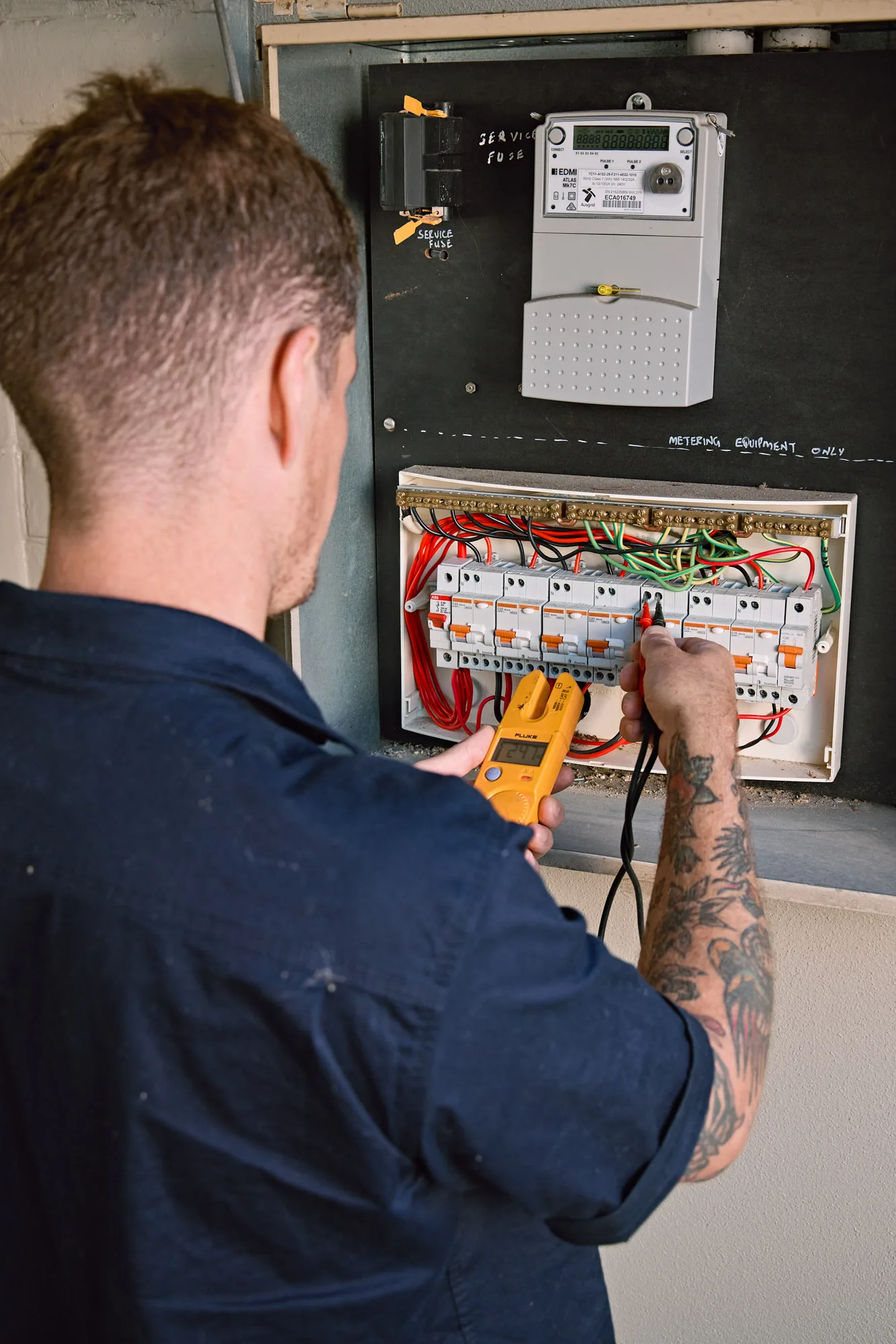
On an older ceramic-fuse board, a blown fuse is usually visible; the wire inside has melted or the fuse element has darkened. We confirm with a tester before touching anything, since a repeat blow means the fault is still live.
Is it my appliance or my wiring?
A fuse that blows the moment one specific appliance switches on usually points to that appliance. A fuse that blows randomly, or takes out more than one circuit, points to the wiring or the board itself.
How do you pin down what keeps blowing it?
We put the circuit under load and look for the loose connections, damaged insulation or overloaded points that drive most repeat blows. Thermal imaging flags a hot connection before it lets go again.
Do old fuses make this worse?
Ceramic fuses are slower to respond to small faults than modern safety switches, and they don't offer the same shock protection. A board still running original fuses is usually a candidate for an upgrade, not just a replacement fuse.
Should I kill the main switch?
Only if you can't safely identify which circuit has the fault, or if there's any sign of heat or burning. Otherwise, isolating just the affected circuit is usually enough while you wait for us.
Can I fix it myself?
No. Fuse and switchboard work is licensed electrical work under NSW law, and DIY repairs here risk both your safety and your insurance.